

In today’s economy, starting a business without capital can seem like an impossible dream. However, with the right approach and a bit of hard work, it is certainly achievable. Here are 10 key strategies to help you get started:
1. Online Courses:
Share your knowledge and expertise by creating and selling online courses. Utilize platforms like YouTube or online course marketplaces to reach a wider audience. Popular course topics include design, programming, foreign languages, and hobbies.

2. Online Consulting:
Offer online consulting services based on your specialized knowledge. Provide individual, group, or web consulting services in areas such as sales, marketing, investment, or law.

3. Freelancing:
Leverage your skills and experience to offer freelance services. Popular freelance work includes web design, writing, translation, and data entry. Utilize platforms like Upwork, Toptal, and Fiverr to find clients.

4. Blogging/YouTube Channel:
Build a blog or YouTube channel around your interests and monetize it through advertising revenue or sponsorships. Popular blog/YouTube channel topics include travel, food, gaming, and beauty. Consistently produce high-quality content and engage with your audience.

5. Social Media Marketing:
Manage and promote businesses’ social media accounts. Utilize platforms like Instagram, Facebook, and Twitter to develop marketing strategies, create content, and manage ads.

6. Dropshipping:
Sell products without holding any inventory. Set up an online store and partner with suppliers to fulfill orders. Popular dropshipping products include clothing, accessories, and electronics.

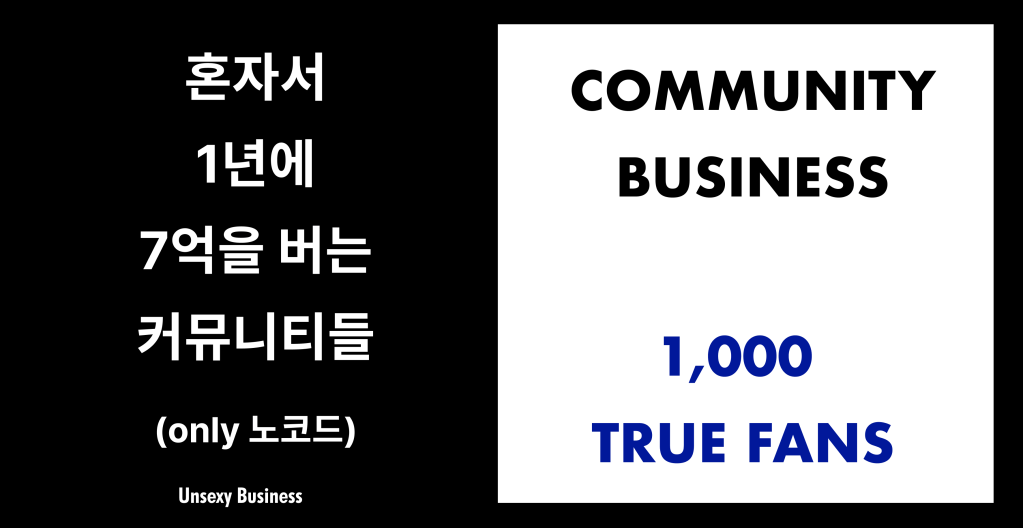
7. Online Community Management:
Create and manage online communities around specific topics. Popular community topics include hobbies, interests, or local areas. Encourage user participation through active community engagement.
8. E-book Publishing:
Publish e-books based on your knowledge or experiences. Sell your e-books on platforms like Amazon, Google Play, and Naver Books. Provide useful and practical information in your e-books.

9. Design Selling:
Create logos, icons, web designs, and sell them on online marketplaces. Popular marketplaces include Shutterstock, Adobe Stock, and Freepik. Design high-quality graphics and stay on trend.

10. Translation:
Offer translation services based on your foreign language skills. Translate documents, websites, video subtitles, and more. Find work through translation agencies or freelance platforms.
Remember, starting a business without capital requires effort and dedication. By carefully planning and executing your strategy, you can increase your chances of success.

Here are some additional tips for starting a business without capital:
- Identify your niche: Focus on a specific area where you have expertise or a passion.
- Validate your idea: Research your target market and ensure there is demand for your product or service.
- Create a business plan: Outline your business goals, strategies, and financial projections.
- Start small and scale gradually: Don’t try to do too much too soon. Focus on building a solid foundation and grow as you gain traction.
- Be patient and persistent: Building a successful business takes time and effort. Don’t get discouraged by setbacks; instead, learn from them and keep moving forward.
With determination and the right strategies, you can turn your dream of starting a business without capital into a reality.
Please note that this is just a general overview, and you should always conduct your own research and seek professional advice before making any business decisions.
I hope this information is helpful. Please let me know if you have any other questions.
 Moraum
댓글 남기기