
Introduction:
In the world of construction and tile installation, the diamond disc has become an indispensable tool for professionals. But beyond its widespread use, do we truly understand the intricacies of how diamond blades function and how to select the right one for our specific needs? This article delves into the essential aspects of diamond blades, from their composition and selection to proper usage and safety precautions.
Understanding Diamond Blades: The Basics
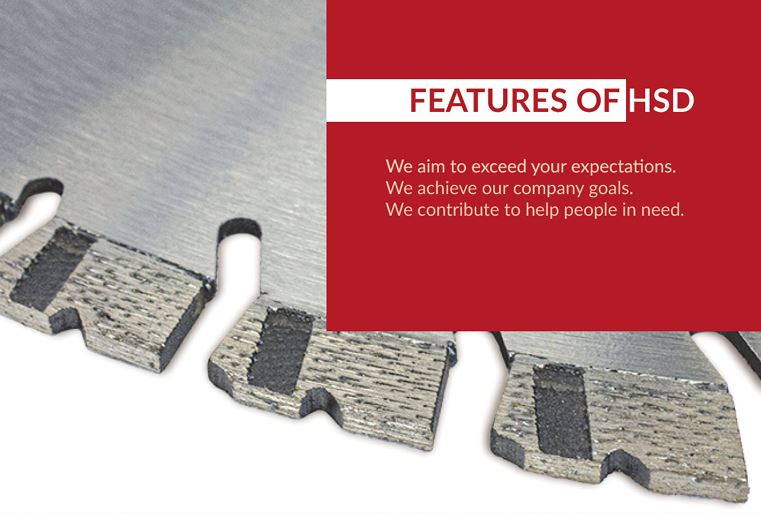
Diamond blades are abrasive tools that cut through materials using the friction generated by diamond particles embedded in a metal alloy binder. This binder plays a crucial role, holding the diamond particles until they wear down, allowing new particles to take their place. The balance between a durable and abrasive-efficient binder is key to a blade’s performance and lifespan.
- The Binder’s Role:
- A less resistant binder results in fast, high-quality cuts but a shorter lifespan.
- A highly resistant binder can lead to “blunting,” where worn diamonds aren’t replaced, requiring a cleaning block for revival.
Choosing the Right Diamond Blade: Key Considerations
Selecting the appropriate diamond blade is essential for achieving optimal results. Here’s what to keep in mind:
- Material to Be Cut:
- Different materials have varying hardness levels, requiring specific blade and binder combinations.
- Manufacturers often color-code blades for easy material identification.
- Type of Cut:
- Straight cuts differ significantly from miter cuts, which apply higher lateral pressure.
- Specialized blades with increased thickness are necessary for miter cuts to prevent damage.
- Types of Diamond Disc Edge:
- Continuous Blades:
- Ideal for fine finishes and precise cuts.
- Slower cutting speed.
- Segmented Blades:
- Designed for materials like brick, stone, and granite.
- Fastest cutting speed but rougher finish.
- Turbo (Laser) Blades:
- Offer a balance of speed and finish.
- Medium finish and medium cutting speed.
- Continuous Blades:
- Blade Diameter:
- Determines the depth of cut.
- Must match the cutter’s specifications to prevent damage.
- Types of Cutting:
- Dry Cutting:
- Relies on air cooling, typically used with grinders.
- Can also be used with water.
- Wet Cutting:
- Uses water for lubrication, cooling, and dust removal.
- Provides a cleaner, more durable cut, often used with electric cutters.
- Dry Cutting:

Proper Usage and Safety Guidelines
To ensure safety and optimal performance, adhere to these guidelines:
- Blade Inspection:
- Regularly check for cracks, wear, or flatness loss.
- Mounting and Fastening:
- Use correct diameter fastening plates.
- Ensure secure mounting.
- Machine Maintenance:
- Verify the condition of bearings and shafts.
- Follow the machine manufacturer’s manual.
- Operating Speed:
- Respect the maximum operating speed.
- Cutting Type Compatibility:
- Never use a wet cutting blade for dry cutting.
- Cutting Technique:
- Avoid forcing the blade; let it work at its own pace.
- Do not obstruct the cutting line.
- Cooling:
- Allow for proper cooling by letting the blade spin freely.
- Ensure adequate water flow during wet cutting.
- Safety Gear:
- Always wear goggles, proper footwear, fitted clothing, hearing protection, and a mask.

MEET HSD from Exhibition
Conclusion:
Mastering the use of diamond blades requires a thorough understanding of their components, selection criteria, and safety protocols. By following these guidelines, construction professionals can achieve precise cuts, extend blade lifespan, and prioritize safety on the job site.

 Moraum
댓글 남기기